
Protoplast fusion research at Fytagoras
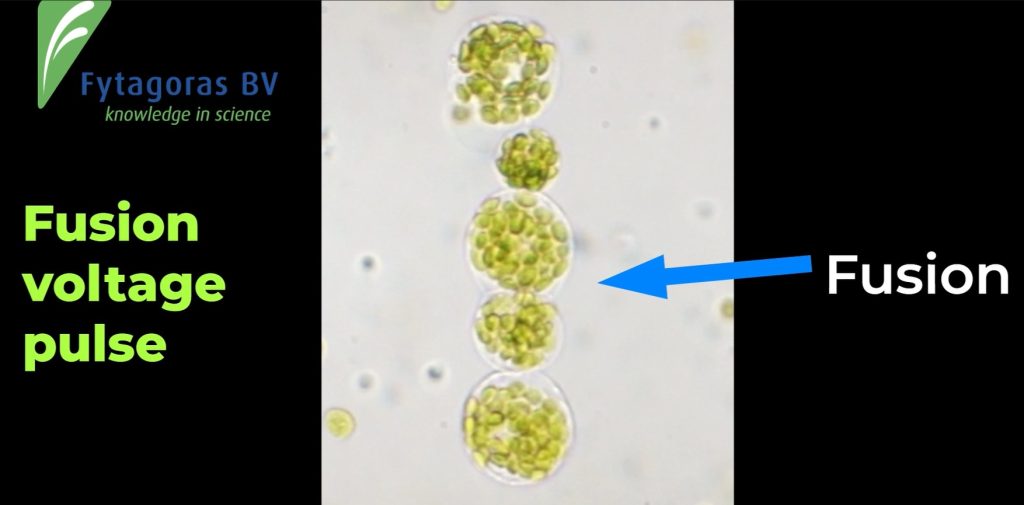
Plant cell protoplast fusion and regeneration of the fused product serves many possibilities in advanced breeding. The picture shows electric field induced protoplast fusion. Protoplast were lined up by an alternating electric field. Fusion is accomplished by a short higher voltage pulse. At Fytagoras, besides protoplast regeneration and fusion, also methods for tracking and sorting […]
Improving efficiency and applicability of doubled haploid plant production
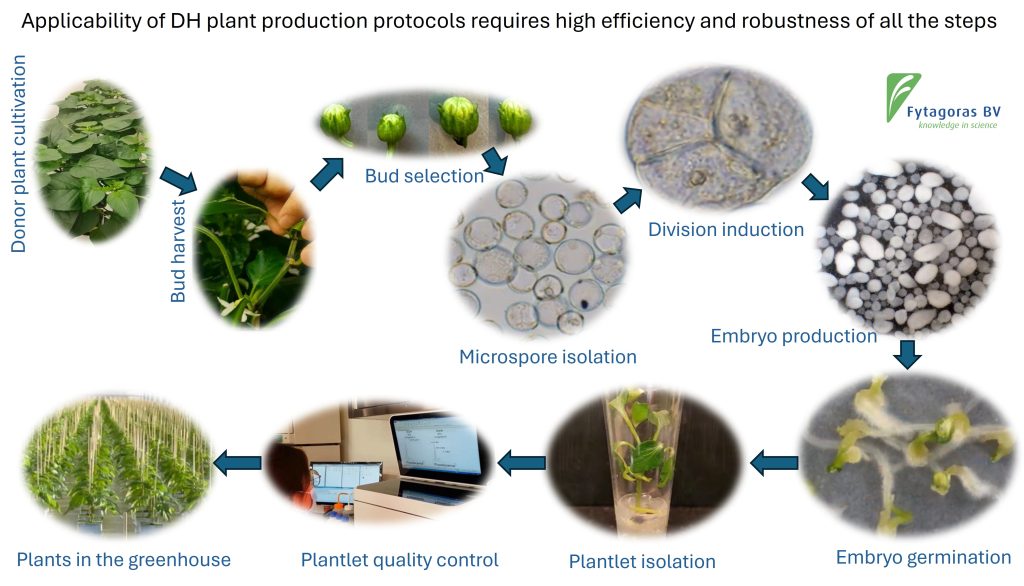
The practical success of doubled haploid (DH) plant production relies heavily on protocol efficiency. Fytagoras excels at developing DH protocols for notoriously challenging species, specifically optimizing them for seamless integration into breeding company laboratories. Because DH production involves a complex sequence of steps, Fytagoras aims to refine every stage of the process to maximize efficiency […]
Fytagoras’ lecture at the Tomato Breeders Round Table (TBRT): Tomato microspore and protoplast regeneration, multiple applications and spontaneous chromosome doubling variation
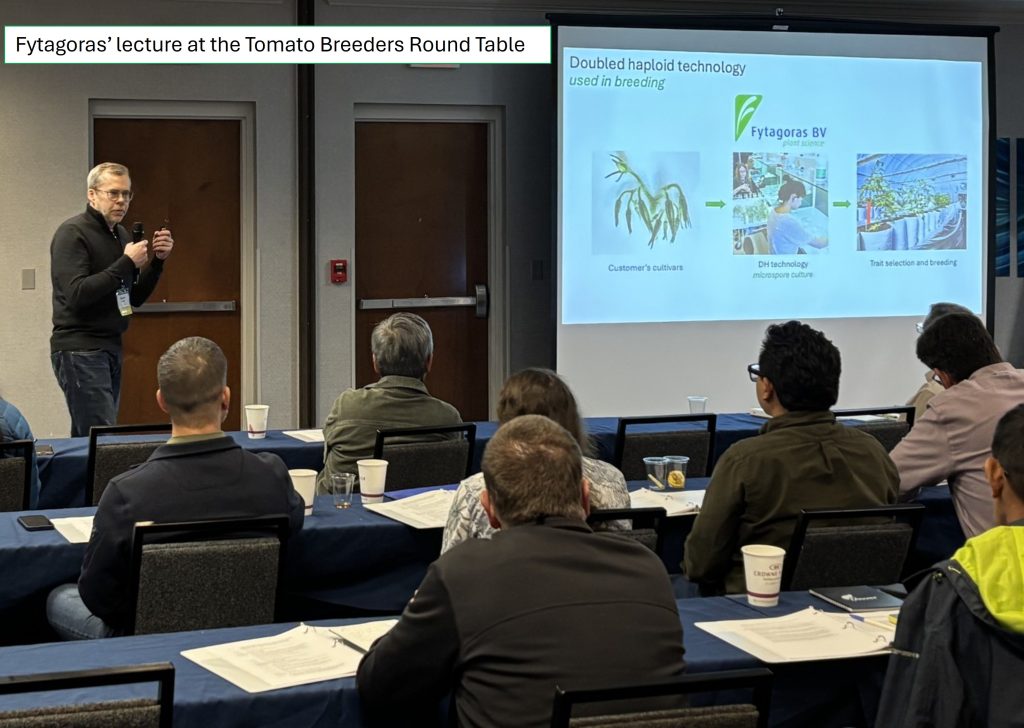
Fytagoras developmental biology lead Marco Vennik was invited to lecture at the Tomato Breeders Round Table held from 22-26 February at the University of Florida (https://gcrec.ifas.ufl.edu/gcrec-facultystaff-directory/jesscia-chitwood-brown/tbrttdw/). The Tomato Breeders Round Table (TBRT) has a longstanding tradition of bringing together breeders, pathologists, and industry partners to share research and tackle emerging challenges in tomato production. In […]
Androgenesis in Capsicum baccatum: flowering doubled haploid plants produce fruits and seeds.
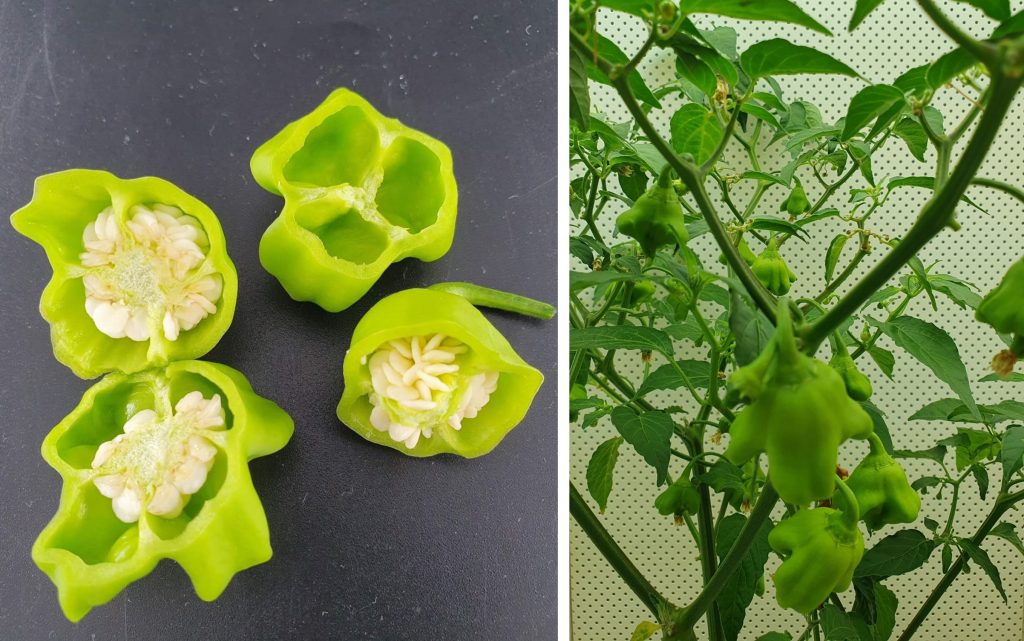
The Capsicum baccatum plants produced via microspore regeneration, reported in our previous post developed numerous fruits over the holiday period (see photos). These fruits contain large numbers of seeds, as shown for the cv Bishop’s Crown. Fytagoras has also increased production of doubled haploid (DH) pepper plants across several Capsicum annuum types, including Jalapeño, Poblano, […]
Androgenesis in Capsicum baccatum: from microspores to flowering doubled haploid plants
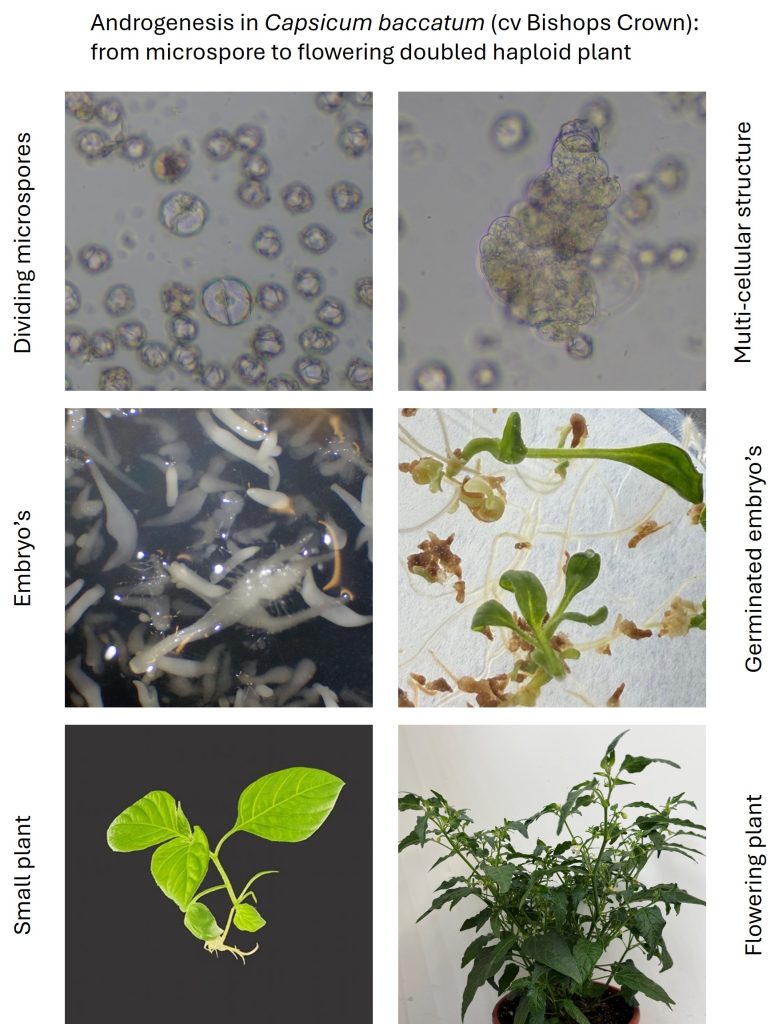
Fytagoras has enhanced the production of doubled haploid (DH) pepper plants across various Capsicum annuum types, including Jalapeno, Poblano, Snack, and Bell. Using an efficient microspore culture technique, they deliver high-quality true DH plants within 16–18 weeks of harvesting flower buds. Also for other Capsicum species, such as C. baccatum and C. frutescens, the protocol […]
Herbal medicines from ancient Egypt analysed at Fytagoras
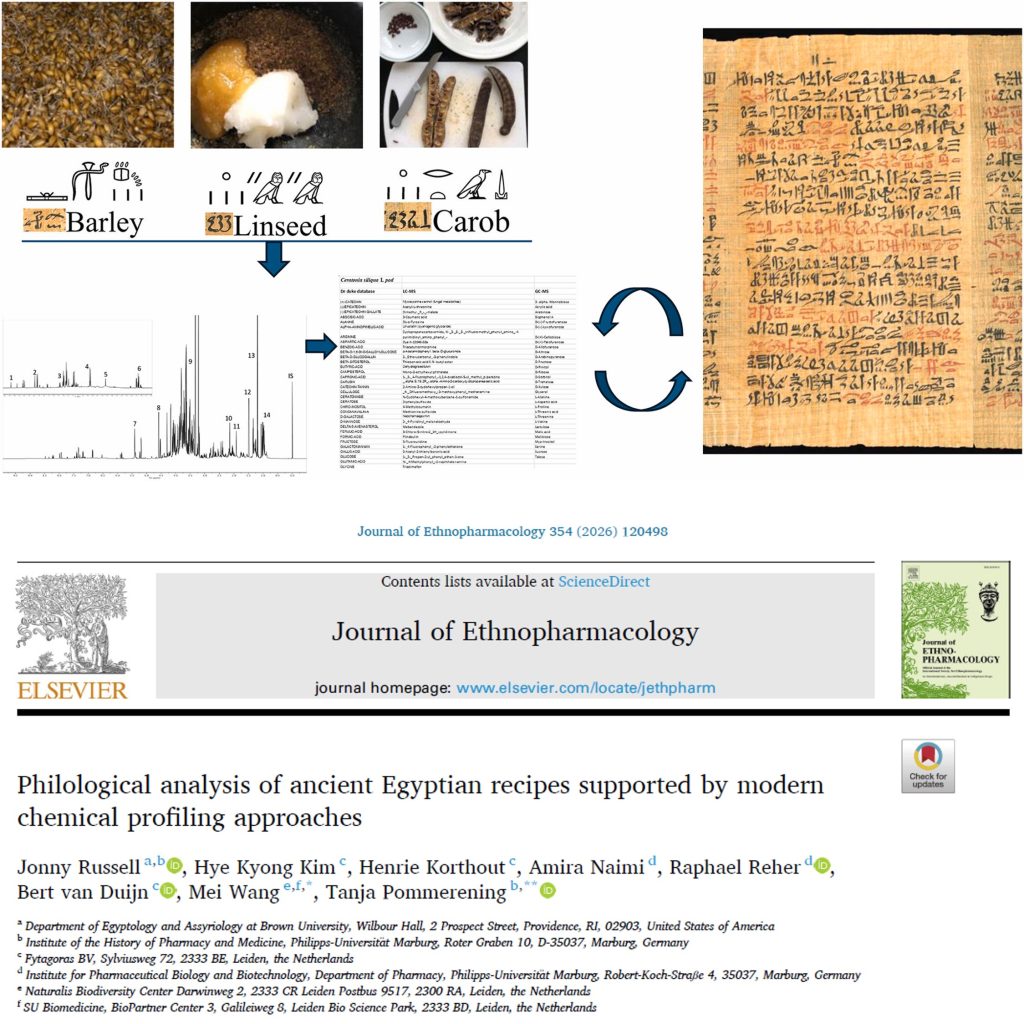
A collaboration between Brown University’s Department of Egyptology and Assyriology (USA), the Institute of the History of Pharmacy and Medicine (Germany), Naturalis Biodiversity Center (Netherlands), and Fytagoras explored chemical profiling to support philological analysis of ancient Egyptian herbal medicine. Focusing on the Ebers Papyrus (c. 1530 BCE), we examined therapeutic “recipes” to understand processing practices […]
Androgenesis in Capsicum baccatum and frutescens peppers: the ultimate challenge for doubled haploid pepper plant production.
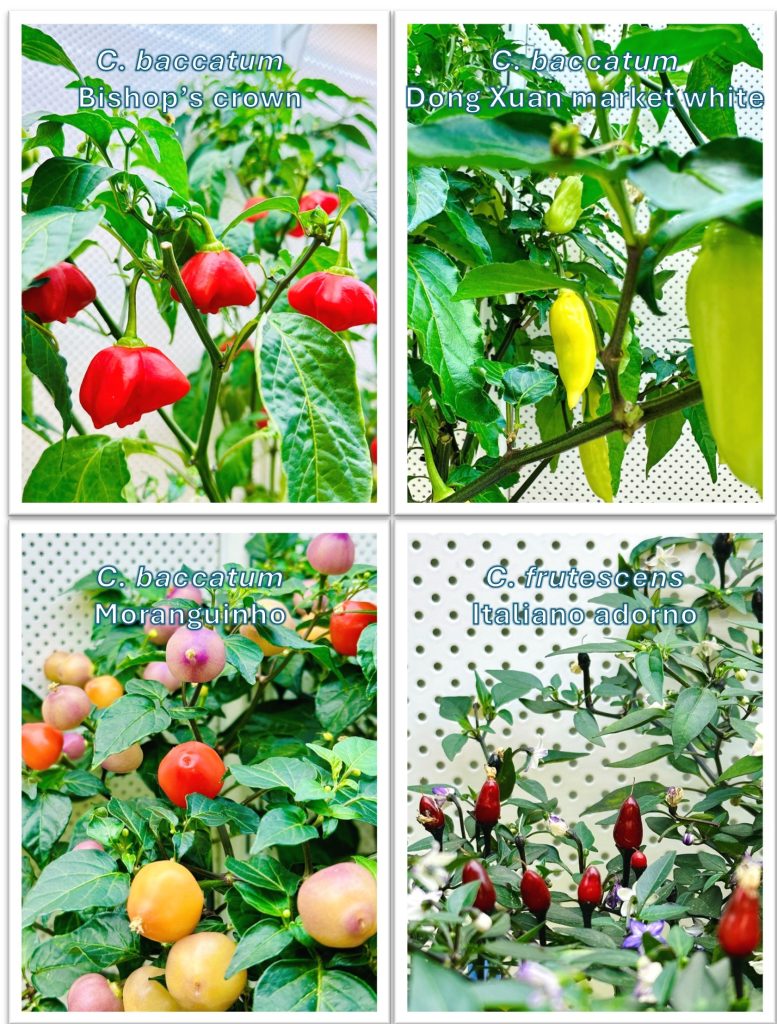
Fytagoras has enhanced the production of doubled haploid (DH) pepper plants across various Capsicum annuum types, including Jalapeno, Poblano, Snack, and Bell. Using an efficient microspore culture technique, they deliver high-quality true DH plants within 16–18 weeks of receiving flower buds. As a leading research provider in DH protocol development for challenging crops, Fytagoras is […]
Potato genetic pool determines variation in true doubled haploid formation efficiency
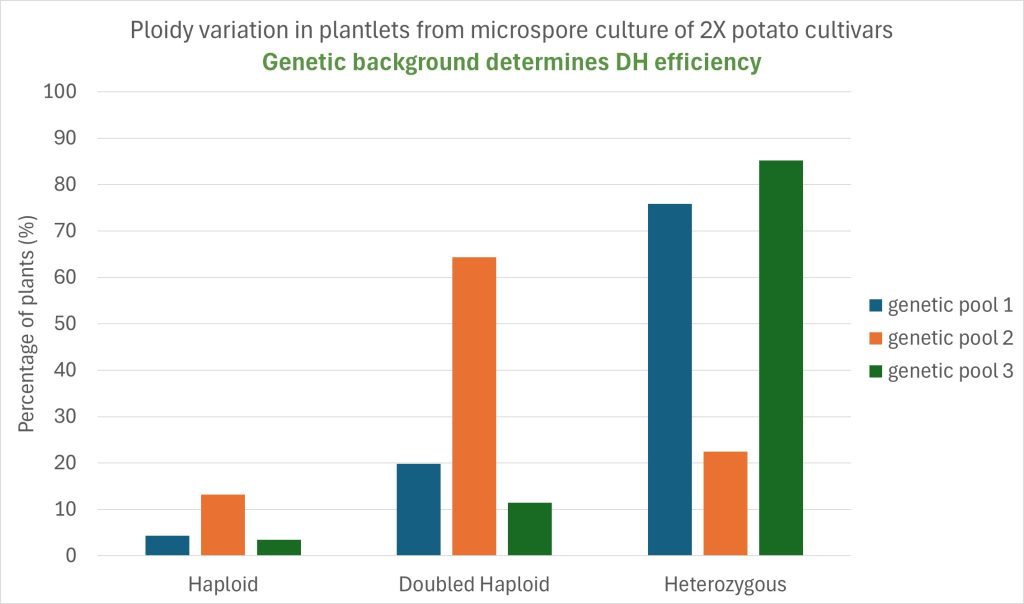
From heterozygous diploid potato plants, we produce true homozygous doubled haploids via androgenesis. Efficiency, measured as the percentage of true doubled haploids compared to haploids and diploid heterozygotes, varies by gene pool. Data from three pools show that gene pool 2 yields over 60% true DH plants, while pools 1 and 3 reach only about […]
Article published on heat and drought stressed green soybean seeds using SRA and chlorophyll fluorescence.
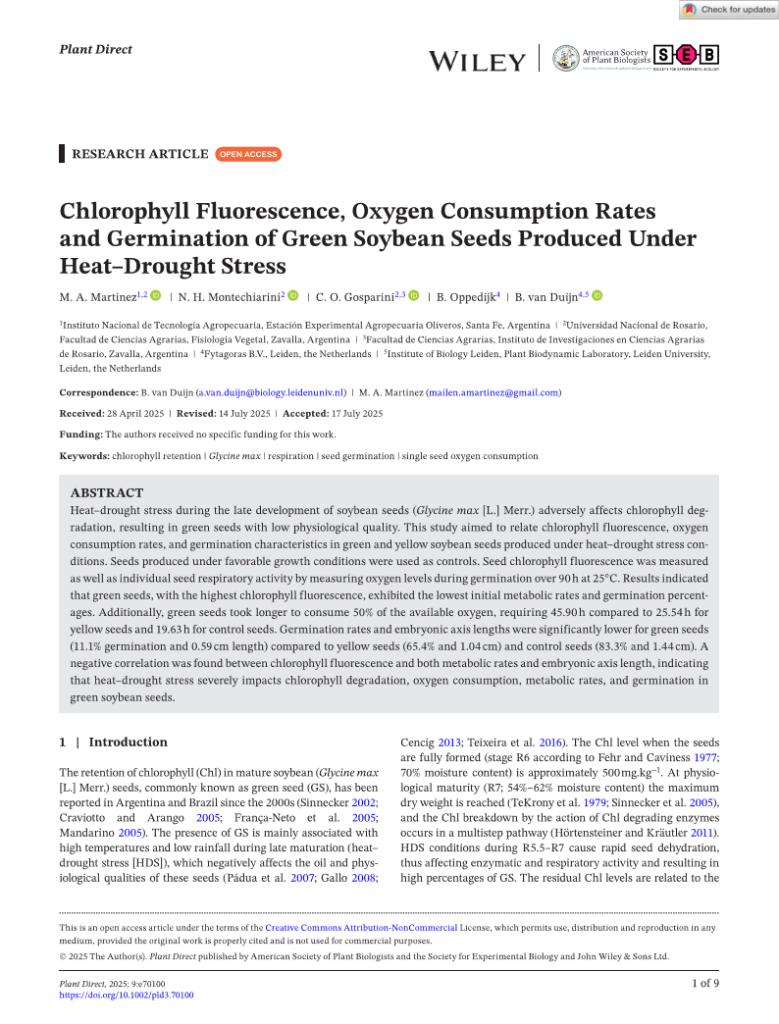
In cooperation between Instituto Nacional de Tecnología Agropecuaria Santa Fe, Rosario University in Argentina and Leiden University and Fytagoras in the Netherlands research on Chlorophyll Fluorescence, Oxygen Consumption Rates and Germination of Green Soybean Seeds Produced Under Heat–Drought Stress was just published in the international peer reviewed journal Plant Direct. In the research the Fytagoras’ […]
Flax microspore regeneration: support for new sustainable fibres and healthy food.
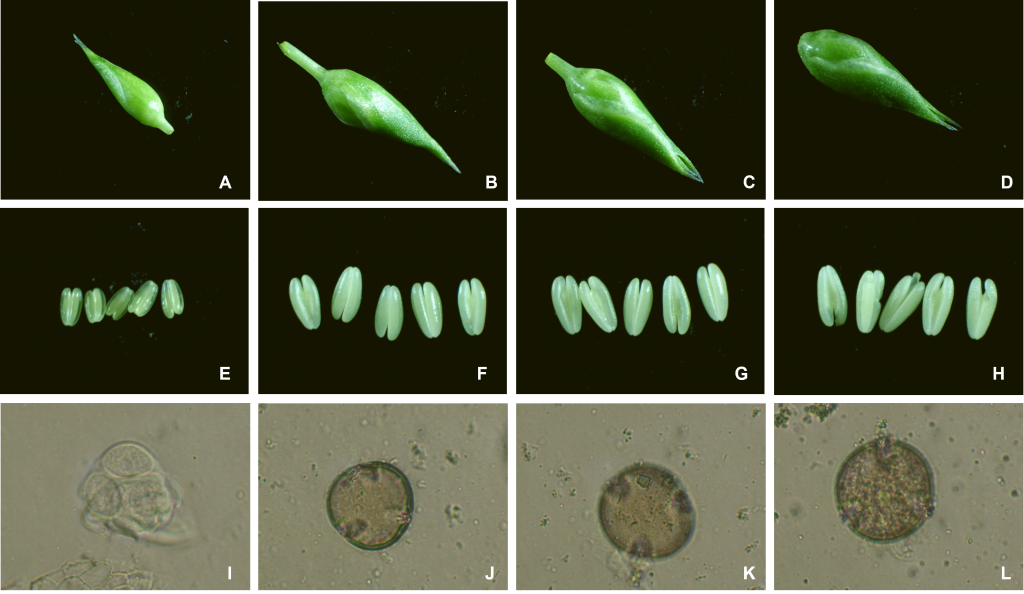
Flax cultivation has a strong future, driven by demand for sustainable fibers, health foods, and bio-based materials. Success depends on innovation, climate adaptation, and breeding efforts. Doubled haploid technology accelerates breeding, but current methods in flax, like anther culture and gynogenesis, are inefficient and costly. There is a need for an effective isolated microspore regeneration […]